


20 May 2026
When it comes to plan printing, choosing the correct paper size is more important than many people realise. Whether you’re working on architectural drawings, construction plans, engineering layouts, or design presentations, selecting the right format can improve readability, accuracy, and overall efficiency on-site.
The three most common large-format sizes used in the industry are A0, A1, and A2 — but which one is best for your project?
Understanding A0, A1, and A2 Paper Sizes
These paper sizes are part of the ISO 216 international paper sizing system, commonly used across architecture, construction, and design industries.
Here are the standard dimensions:
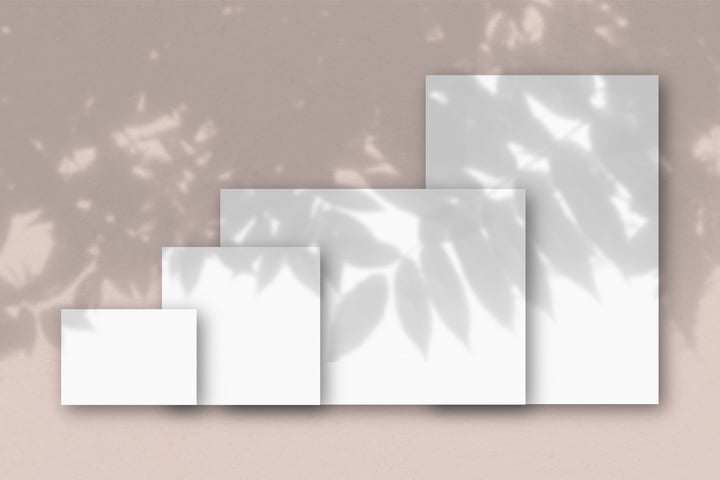
- A0: 841mm × 1189mm
- A1: 594mm × 841mm
- A2: 420mm × 594mm
Each size is exactly half the size of the one before it, making scaling and printing much more consistent.
For a full breakdown of international paper sizes, the official ISO paper sizing guide from Adobe Acrobat is a useful resource.
When to Use A0 Plan Printing
A0 is the largest of the three sizes and is commonly used for highly detailed drawings that need maximum visibility.
Best for:
- Large construction site plans
- Complex architectural drawings
- Engineering schematics
- Detailed technical layouts
Because of its size, A0 printing allows fine details, dimensions, and annotations to remain easy to read without excessive zooming or scaling.
However, A0 prints can be more difficult to transport and handle on busy sites, so they’re often best suited for office reviews or wall-mounted site references.
When to Use A1 Plan Printing
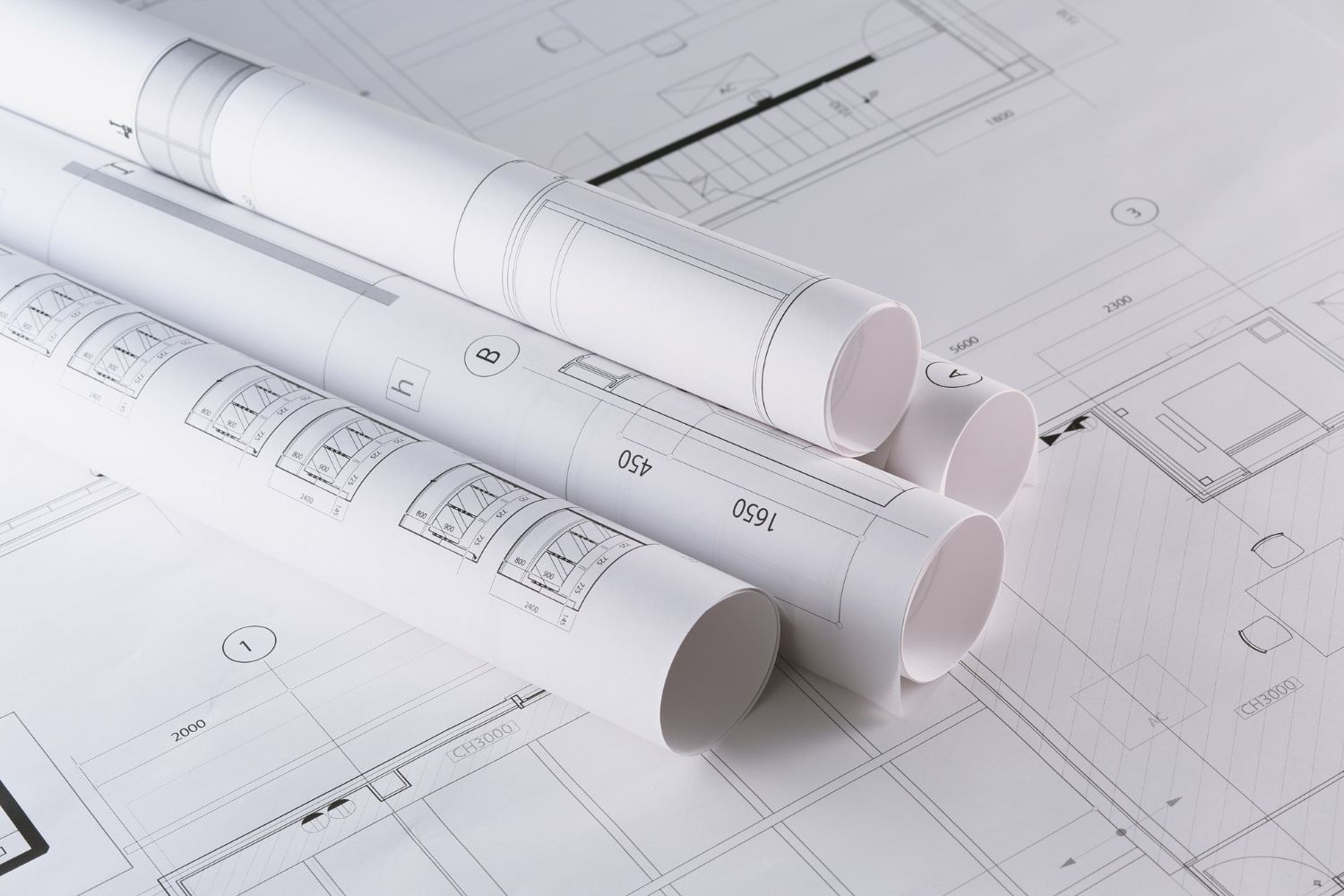
A1 is one of the most commonly used sizes for professional plan printing services because it offers a strong balance between detail and practicality.
Best for:
- General construction drawings
- Planning application documents
- Floor plans
- Site layouts
A1 drawings are large enough to maintain clarity while still being easier to carry, store, and review on-site compared to A0 prints.
For many contractors and architects, A1 provides the ideal middle ground between readability and convenience.
If you’re preparing files for print, our guide on Uploading Files for Plan Printing: Common Issues and Fixes can help you avoid common formatting and scaling problems before ordering.
When to Use A2 Plan Printing
A2 is smaller and more compact, making it suitable for simpler drawings or presentations where portability matters most.
Best for:
- Smaller-scale projects
- Design markups
- Client presentations
- Reference copies for meetings
While A2 prints are easier to handle and often more cost-effective, highly detailed drawings can become harder to read if scaled down too much.
Choosing the Right Size for Your Project
The right paper size ultimately depends on:
- The level of detail in your drawings
- How the plans will be used
- Site conditions and portability needs
- Your budget and print volume
For highly detailed technical drawings, A0 may be the best option. For everyday construction use, A1 is often the industry standard. Meanwhile, A2 works well for quick reference documents and smaller presentations.
Need a hand? Get in touch!
Choosing between A0, A1, and A2 plan printing is about more than just paper size. The right format can improve communication, reduce mistakes, and make your plans far easier to use throughout your project.
By understanding the strengths of each option, you can ensure your drawings remain clear, professional, and practical from the office to the construction site.